
Florence Nightingale and Epione: Bridging the Past and Future of Nursing
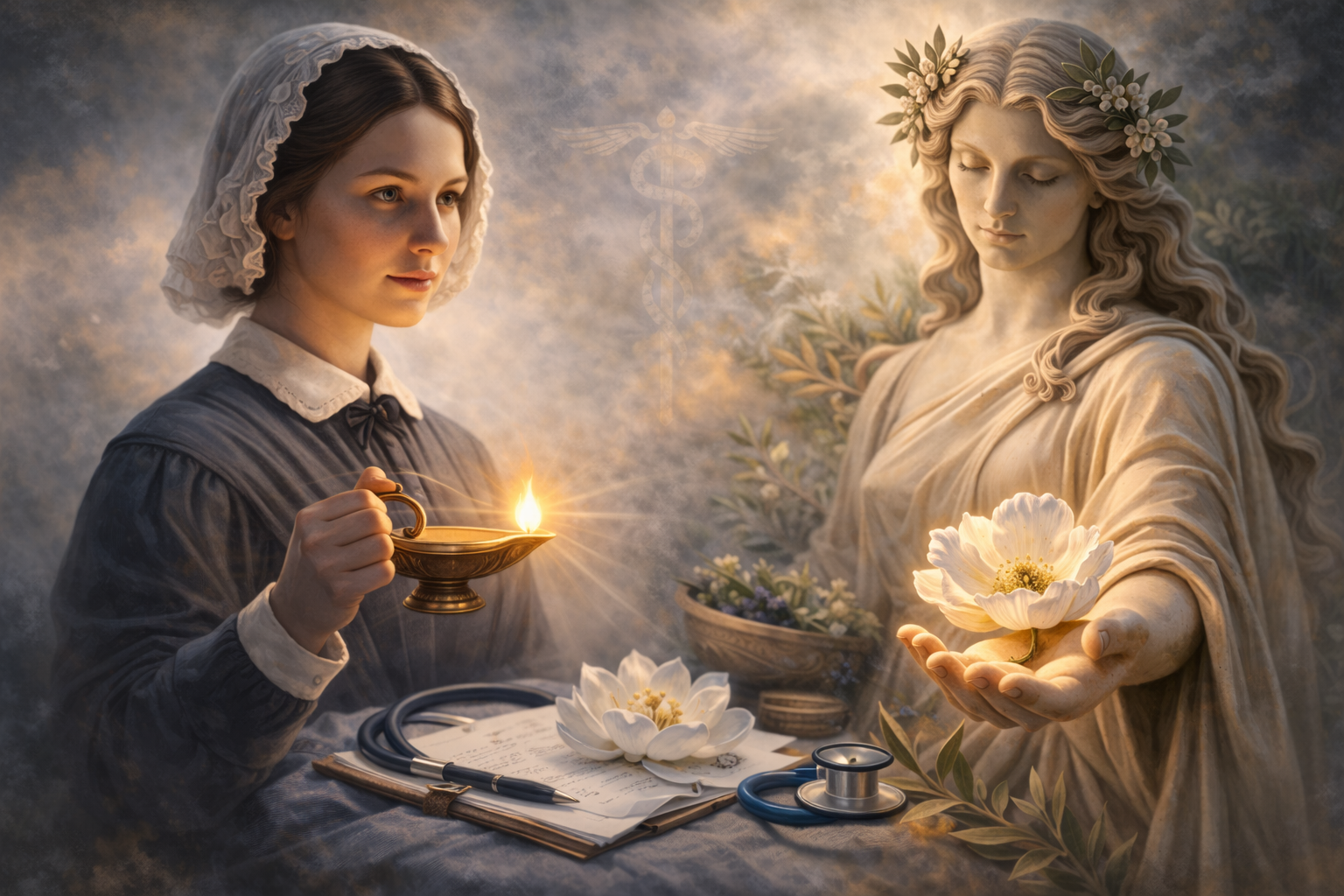
Florence Nightingale and Epione
The Woman Who Changed Healthcare
Few individuals have influenced modern healthcare as profoundly as Florence Nightingale.
Often remembered as “The Lady with the Lamp” Nightingale’s work during the Crimean War helped transform nursing from informal caregiving into a respected and scientificallygroundedprofession.
When Nightingale arrived at the military hospital in Scutari in 1854, conditions were devastating. Soldiers were not only suffering from battlefield injuries but were dying in large numbers from infections, contaminated water, and poor sanitation.
At the time, many physicians did not yet fully understand the role that hygiene and environment played in disease transmission.
Nightingale recognized something critical: many patients were dying not from their wounds, but from the conditions in which they were treated.
The Power of Sanitation and Hand Hygiene
One of Nightingale’s most important contributions was her emphasis on cleanliness and sanitation in patient care.
She implemented measures that are now considered basic standards of healthcare:
regular hand washing among caregivers
improved hospital ventilation
access to clean water
proper waste disposal and sewage management
frequent washing of bedding and clothing
These interventions dramatically reduced infection rates.
Within months, mortality rates in the hospital dropped significantly.
Today, hand hygiene remains one of the most important practices in healthcare, a principle that traces directly back to Nightingale’s reforms.
Patient Care Beyond the Disease
Nightingale understood something that modern healthcare still strives to achieve: healing involves more than treating illness.
She believed that nurses should care for the whole person, not just the disease.
Her approach emphasized:
patient comfort
emotional support
adequate nutrition
clean surroundings
quiet environments that allowed patients to rest
Nightingale believed that nurses should create conditions that allowed nature to restore health.
She wrote:
“The very first requirement in a hospital is that it should do the sick no harm.”
This philosophy remains foundational to modern nursing practice.
The Birth of Professional Nursing Education
In 1860, Nightingale founded the Nightingale Training School for Nurses at St Thomas' Hospital in London.
This school introduced structured training programs that emphasized:
clinical observation
ethical responsibility
hygiene and sanitation
patient advocacy
For the first time, nursing education combined science, ethics, and compassionate care.
This model became the foundation for nursing education around the world.
Nursing: The Backbone of Healthcare
Today, the influence of Nightingale’s work is visible throughout the healthcare system.
Globally:
there are nearly 29 million nurses worldwide
nurses represent almost 60% of the healthcare workforce
nurses consistently rank as the most trusted profession in the United States
Nurses provide the majority of direct patient care interactions and often serve as the bridge between complex healthcare systems and patients’ everyday experiences.
The Forgotten Symbol of Compassion
While Nightingale helped establish the scientific foundation of nursing, another figure represents the deeper philosophical roots of caregiving.
In Greek mythology, Epione was the goddess who soothed pain and relieved suffering. She was the wife of Asclepius, the god of medicine.
While Asclepius symbolized the treatment of disease, Epione represented something equally essential: the compassionate relief of suffering.
Yet over time, Epione faded from the symbolic traditions of healthcare. In many ways, the story of Epione parallels the history of nursing itself.
For centuries, nurses worked quietly in the background while other figures received greater recognition.
Florence Nightingale and the Spirit of Epione
Although Nightingale never invoked Epione directly, her philosophy of care reflects many of the same ideals.
Nightingale believed that nurses should:
relieve suffering
advocate for patients
remain present with the sick
treat patients with dignity and compassion
These values mirror the symbolic role of Epione.
In this sense, Nightingale helped bring the spirit of Epione into modern healthcare, even if the name itself had long been forgotten.
Reclaiming Nursing’s Deeper Roots
Modern nursing continues to evolve. Nurse Practitioners and Advanced Practice Registered Nurses now diagnose illness, prescribe medications, and manage complex conditions across the healthcare system.
Yet the ethical heart of nursing remains unchanged. Nurses are not only called to treat illness, but also to relieve suffering.
By remembering figures like Epione, the profession reconnects with a deeper tradition of caregiving, one that stretches back thousands of years.
Reclaiming our past allows nursing to transcend the present and secure the future of the profession.
The Three Pillars of Nursing
The philosophy of Epione can be summarized in three simple ideals:
Hands - Healing
Voice - Advocacy
Presence - Compassion
Together these principles capture what nurses have always done:
care for the sick, defend the vulnerable, and stand beside those who suffer.
Final Thoughts
Florence Nightingale helped establish the scientific foundation of modern nursing.
Epione represents the timeless spirit of compassionate care that has always guided the profession.
Together they remind us that nursing is both:
a science
and a calling
Recognizing both traditions allows nursing to honor its past while confidently shaping its future.
Call to Action
If you or someone you love is struggling with anxiety, burnout, or depression, compassionate support can make a meaningful difference.
At Desert Willow Behavioral Health, we provide integrative, patient-centered mental health care designed to support your well-being.
📞 Schedule yourFREE 15-minute telephone consultationtoday and take the first step toward healing.
